

Sarcoma UK is proud to announce a vital new investment of £1.4 million to fund 9 innovative research projects across the UK. Designed to drive forward better treatments and transform outcomes for anyone affected by sarcoma, these grants span the entire research pipeline – from nurturing early-career PhD students to backing large-scale team investigations and vital clinical trials.
Thanks to your generous support, this latest funding round focuses on cutting-edge areas of science, including immunotherapy, CAR T-cell therapy, spatial biology, and overcoming drug resistance. By attacking sarcoma from multiple angles, these projects aim to bring smarter, kinder treatments to patients sooner.
Nurturing the Next Generation: Investing in Future Leaders
A core pillar of our strategy is investing in the future leaders of sarcoma research. We are thrilled to fund three new PhD studentships, supporting brilliant early-career scientists as they tackle highly innovative, under-researched areas of sarcoma biology.
Dr Carsten Hansen, University of Edinburgh
Tumours aren’t just collections of cells; they are physically crowded environments. This project will look into the physical mechanics and pressure inside sarcoma tumours to understand how these forces influence cancer growth and treatment resistance.
Dr Olivier Pardo, Imperial College London
CAR T-cell therapy is a revolutionary treatment that genetically modifies a patient’s own immune cells to hunt cancer. Dr Pardo’s team is investigating how to block a specific biological pathway (S6 kinase 2) that currently stops these immune cells from effectively clearing osteosarcoma.
Dr Ralitsa Madsen, University of Glasgow
Breast angiosarcoma is an aggressive, under-researched subtype that develops in the lining of blood vessels. Using advanced stem-cell models, this project aims to uncover the exact biomarkers and targets needed to develop the very first tailored treatments for this disease.
Stronger Together: Partnering with GIST Cancer UK
We know that collaboration is key to accelerating breakthroughs. We have partnered with GIST Cancer UK to co-fund two major, large-scale projects dedicated to improving outcomes for people with Gastrointestinal Stromal Tumours (GIST). These collaborative projects are mapping the future of GIST care by exploring how the immune system interacts with tumours and how we can stop treatment resistance in its tracks.
Dr Emma Reeves, University of Southampton
Some GIST tumours successfully ‘hide’ from the body’s immune system. This project explores how to manipulate specific proteins on the surface of tumour cells to make them highly visible to cancer-killing T-cells, opening the door for new immunotherapy options.
Dr Andrea Napolitano, The Royal Marsden
Imatinib is a highly effective standard drug for GIST, but over time, many tumours adapt and become resistant to it. Dr Napolitano’s team is creating a detailed genomic and spatial map of how GIST cells tolerate and resist imatinib, providing a vital roadmap to prevent resistance before it starts.
Innovation in the Clinic: The L-UteCIN Clinical Trial
Supported through our Strategic Collaborations Fund, we are investing in a critical clinical trial that speaks directly to a high area of patient interest: translating laboratory science into real-world choices.
Prof Robin Jones, The Royal Marsden
Uterine leiomyosarcoma is an aggressive form of cancer where choices after surgery can be difficult to navigate. The L-UteCIN Clinical Trial is investigating whether giving chemotherapy to women identified as ‘high-risk’ (using an advanced genetic tool called the CINSARC signature) significantly improves their long-term outcomes and prevents the cancer from returning.
The Full Picture: Every Project Funded in This Round
Every single project we fund aims to bridge a gap in our understanding of sarcoma. Alongside our featured PhD, GIST, and clinical trial projects, our Open Grant Round is supporting three additional highly precise scientific studies:
- Exploring Hidden Targets in Osteosarcoma: Dr Sophie Postel-Vinay (University College London) is looking into a specific protein called ADAR1 to see if blocking it can trigger a powerful immune response against bone cancer cells.
- Mapping Soft Tissue Sarcomas for Precision Care: Prof Paul Huang (The Institute of Cancer Research) is using spatial biology to map out the physical layout of soft tissue sarcomas, helping doctors tailor precise treatments to patients before they undergo surgery.
- Unlocking Immune Power against Kaposi’s Sarcoma: Dr David Pinato (Imperial College London) is studying how the body’s T-cells fight off the virus responsible for Kaposi’s sarcoma, aiming to find clues that will lead to more effective immunotherapies.
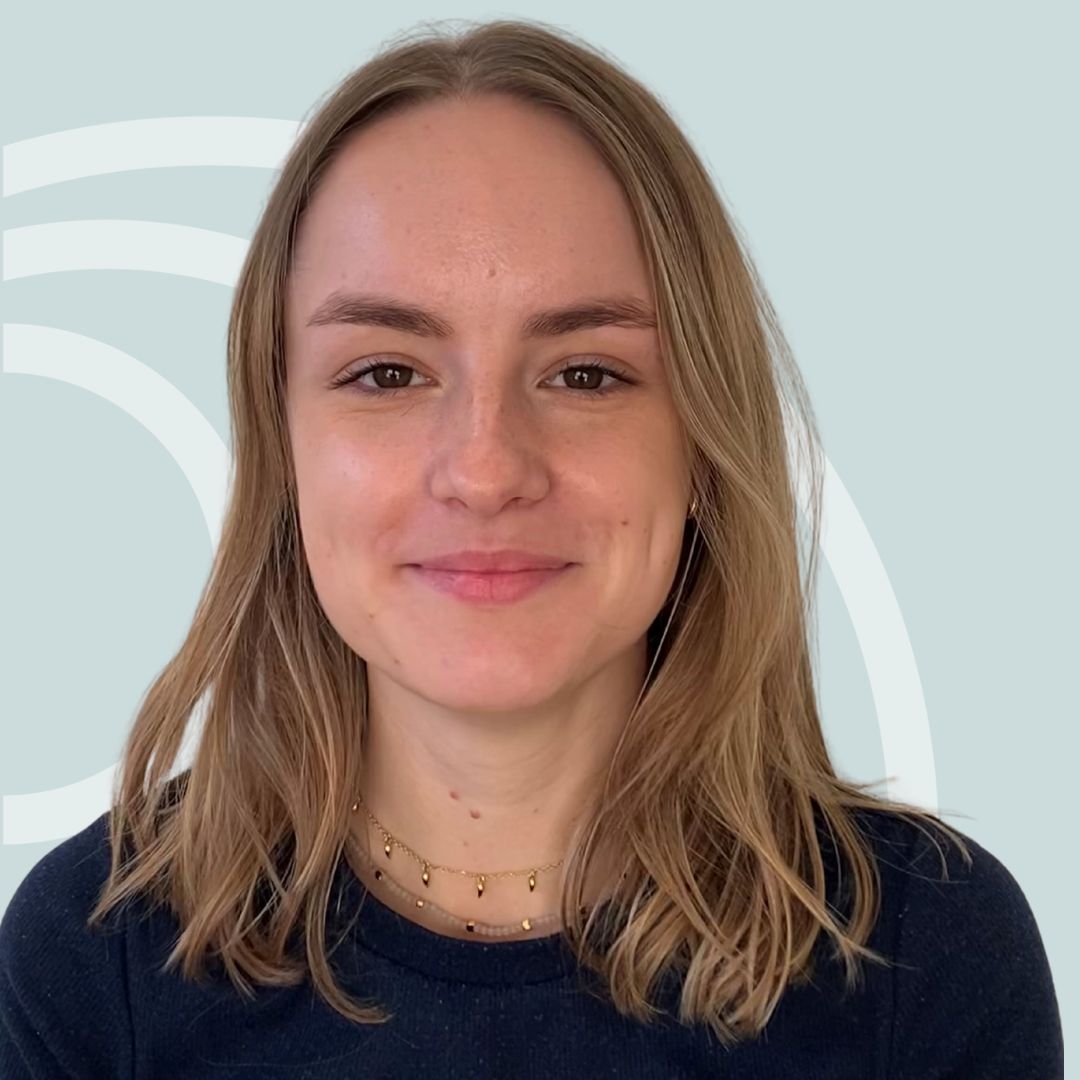
We’re extremely proud to be funding research right across the sarcoma pipeline. From supporting early-career PhD researchers with fresh ideas to backing clinical trials that could make a real difference for patients, this funding round reflects our ambition to drive progress at every stage. It also reflects the direction set out in our new strategy, as we work to deepen our understanding of sarcoma and bring better treatments closer for everyone affected.
Emily Williams, Research Manager
This vital research is only made possible because of the dedication of our supporters, fundraisers and partners. Together, we are changing the landscape of sarcoma treatment.