


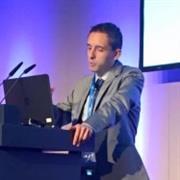
Dr David Pinato
Imperial College London
Awarded: £75,000
The challenge
Kaposi sarcoma (KS) is a rare form of skin cancer caused by a virus, HHV-8. Most people with HHV-8 never show signs of the infection because their immune system is able to keep the virus in check.
People with a weakened immune system, like people living with HIV, are not able to control the HHV-8 virus, and as a result, tumours form. Once a person develops KS tumours, there is no way to cure them. However, treatments like chemotherapy can help to manage the condition.
How will this project tackle this challenge?
With a previous grant from Sarcoma UK, Dr David Pinato and his team at Imperial College London were able to develop an immunotherapy treatment that uses the body’s own immune system to fight KS. Unfortunately, this treatment only worked for around 50% of people. The team now want to understand how the treatment works to activate the immune system against KS. They are also working to develop a way of identifying people whose cancer might respond to this type of treatment.
What this means for people affected by sarcoma
Understanding who responds best to a particular type of treatment means doctors can help people choose the treatments that are most likely to work for them. New treatments for KS will help to improve the lives of people affected by the disease. This work could also help prevent and treat other diseases caused by the HHV-8 virus.