


Not everyone understands sarcoma. We do.
The Sarcoma UK Support Line is here for every person affected by sarcoma.
Get in touch for friendly, expert, confidential and free advice on anything to do with sarcoma.
- Our support line is independent and confidential
- The service is free to everyone
- We are friendly sarcoma specialists – we have answers
- We believe no question is a silly question
Call us, free, Monday to Friday, 10am to 3pm. Email or text any time at all.
We are here for everyone. We are here for you.
How can we help?
What do people call us about?
No question is a silly question. Here are some of the most common ones that we get asked.
What is cancer?
Cancer starts in our cells. Cells are tiny building blocks that make up the organs and tissues of our body. Usually, these cells divide to make new cells in a controlled way. This is how our bodies grow, heal and repair. Sometimes, this goes wrong and the cell becomes abnormal. The abnormal cell keeps dividing and making more and more abnormal cells. These cells form a lump, which is called a tumour.
What is a sarcoma?
Sarcomas are less common cancers that develop in the muscle, bone, nerves, cartilage, tendons, blood vessels and the fatty and fibrous tissues. They can affect almost any part of the body, on the inside or the outside.
What is a MDT?
Anyone with a suspected sarcoma should be referred to a specialist sarcoma team for confirmation of diagnosis and for a treatment plan of this form of cancer. This is a team of experts from a wide range of healthcare professions called a multidisciplinary team (MDT). A sarcoma MDT will be based at a sarcoma specialist centre. We can help you to find a sarcoma MDT that covers where you live.
How is sarcoma treated?
There are many different types of sarcoma and increasingly they are being treated in different ways.
Can I get written information?
Sarcoma UK has written information that we can post out to you. The information is to help you understand more about Sarcoma and the treatments used. You can also see all the information on our website.
Where can I get support from for myself or my family?
Sarcoma UK can help get you in touch with sarcoma support groups. These offer valuable support and information to patients, carers and family members, and provide the opportunity to meet with other people in the same situation.
Is my personal information kept confidential?
Yes. When you get in touch with us, we don’t share your details with anyone else. We do keep a record of your call or email to help us give you a good service, but this information is kept safe.
Is the service free?
Yes. The phone number is free to call from anywhere in the United Kingdom.
Sarcoma UK relies on voluntary donations through your support. Every single donation you give makes a difference to so many people’s lives.
What you can expect when contacting the Sarcoma UK Support Line
Purpose
The purpose of the document is to demonstrate clear procedure and the expectation of the Sarcoma UK Support and Information Line
Responsibilities
Responsible for the update and running of information line- Helen Stradling (HS) / Sam Hackett (SH) / Carly McDonald (CM) / Ellis Lill (EL)
Role of the Support Line
We know sarcoma is rare, with about 5300 new cases diagnosed a year. Many patients and families find it difficult to access Sarcoma specific information and support. The aim of the support line is to ensure callers get access to the correct information and support.
Opening Hours for the support line
The Sarcoma UK support line will be open for fixed hours during the week and is clearly documented on the website.
Monday to Friday 10 am until 3pm.
It will not open on Bank Holidays or the week between Christmas and New Year.
Compassion, kindness, appropriate information and fostering a supportive environment are the working tools of the SL and when answering the calls these will be paramount.
There will be no specific time limit for callers as we want you to feel that you have the time and opportunity to discuss all of the questions and concerns that you may have. We do, however, need to be aware that the support line is only open for a short number of hours each week and to ensure all users are able to access the service we may ask if we would be able to give you a call back on the next working day. We will also offer you a call back if your call is close to the end of the working day.
Answering of emails to the support line
Emails enquiries will be answered within 48 working hours and within the working hours of the support line being open. If we are trying to gain further information for you we will let you know this and it may mean that your full question/concern is not answered within 48 hours. We will keep in touch to let you know how our research is going, sometimes we do ask medical professionals to help us with certain questions and this may necessitate us taking longer in answering your question.
Regular Closed Hours
If you call outside of the support lines opening hours you will hear an answer machine message will signpost you to the website for further information including common concerns. The option of leaving a voicemail will be given, and if you leave us a message with either your telephone number or email address we will contact you within 48 working hours. We will not leave answer phone messages for you unless you have specifically stated that we can do so.
Confidentiality Policy
The telephone and email services are confidential between you and Sarcoma UK. If you contact the support line you may choose to provide personal information which will only be used for the purposes of dealing with your enquiry.
Any personal information provided will not be passed onto anyone else without your express permission except in circumstances to comply with the nurses’ code of professional conduct or the law. Examples of this might include anyone reporting potential serious self-harm, if it was felt a child may be at risk or anyone expressing the intention of harming someone else.
Data Protection Policy
Calls are recorded and monitored for training purposes. This is an important part of maintaining the information line service. Occasionally another member of the Sarcoma UK team maybe listening in to the call, it will be made clear to you at the beginning of the call. If you would prefer this not to happen please just let us know.
All calls and emails are kept confidential to Sarcoma UK and are destroyed securely after use. If for any reason you wish to have your personal details removed from our records just let us know.
All information is recorded in line with GDPR (2018) please refer to the Sarcoma UK privacy policy for more information. Both callers and Emailers toe h SL service are given advice on how to ask for their data to NOT be stored on the Sarcoma UK secure database.
Calls requiring immediate referral
The Sarcoma UK support line does not provide acute clinical advice, any callers requesting immediate clinical advice will be referred back to their local team or advised to call 999/111.
If there is an urgent concern about the mental wellbeing of the caller or it is felt the caller is at suicide risk, where possible the GP will be informed as they have a duty of care to the patient in the community. Signposting to Samaritans should be given. Telephone number 116 123, email jo@samaritans.org, www.samaritans.org
Caller Abuse of support line staff
Verbal abuse over the support line is not acceptable, if at any time the staff of the support line feel the caller is being aggressive, or they feel uncomfortable, it is appropriate for the call to be firmly terminated.
Complaints
Any complaints will be addressed using the complaints procedure documented on the ‘Contact Us’ page.
https://sarcoma.org.uk/about-sarcoma-uk/contact-us
Feedback
As a charity we are looking to provide a very useful and informative service for you with the support line. We would very much like to hear your feedback and any suggestions for any ways in which the charity could look to increase our support services. We would very much like to use feedback from you and so please do let us know if you are not happy for us to do this. We will of course anonymise feedback given before reproducing.
Please feel free to email us your feedback to Feedback@sarcoma.org.uk
Please see below some of the common concerns that people contact us about:
What is a cancer?
Cancer starts in our cells. Cells are tiny building blocks that make up the organs and tissues of our body. Usually, these cells divide to make new cells in a controlled way. This is how our bodies grow, heal and repair. Sometimes, this goes wrong and the cell becomes abnormal. The abnormal cell keeps dividing and making more and more abnormal cells. These cells form a lump, which is called a tumour.
www.macmillan.org.uk/information-and-support/understanding-cancer/what-is-cancer.html
What is a Sarcoma?
Sarcomas are rare cancers that develop in the muscle, bone, nerves, cartilage, tendons, blood vessels and the fatty and fibrous tissues. They can affect almost any part of the body, on the inside or the outside. Read more about sarcoma (link direct to https://sarcoma.org.uk/about-sarcoma/understanding-sarcoma )
What is a MDT?
Anyone with a suspected sarcoma should be referred to a specialist sarcoma team for confirmation of diagnosis and for a treatment plan of this form of cancer. This is a team of experts from a wide range of healthcare professions called a multidisciplinary team (MDT).
A sarcoma MDT will be based at a sarcoma specialist centre. We can help you to find a Sarcoma MDT that covers where you live.
How is Sarcoma treated?
There are many different types of sarcoma and increasingly they are being treated in different ways. The MDT meeting will plan your treatment, sometimes just surgery is needed, other times radiotherapy is used before surgery. With new advances in cancer care, some types of sarcoma are treated with tablet. Have a look at our (link to ‘what treatment is available’ page)
Can I get written information?
Sarcoma UK has written information that we can post out to you. The information is to help you understand more about Sarcoma and the treatments used. You can also see all the information on our website.
Where can I get support from for myself or my family?
Sarcoma UK can help get you in touch with sarcoma support groups .These offer valuable support and information to patients, carers and family members, and provide the opportunity to meet with other people in the same situation.
There is also online support available for people affected by all types of sarcoma. Online support provides members with the opportunity to get in touch with other sarcoma patients or carers to discuss their concerns over a new diagnosis, treatment options or worries about the future.
All patients with sarcoma should have a keyworker, a health professional who acts as the point of contact for the patient at the specialist centre, usually this is the clinical nurse specialist. You may find it helpful to ring your keyworker for further information about your diagnosis or treatments, they can also refer you for specialist support and counselling services.
Your GP can also provide information about local support services.
Contact our support line 0808 801 0401.
Helen Stradling
Support Line Manager
Updated August 2024; Review date August 2026
Who you’ll talk to
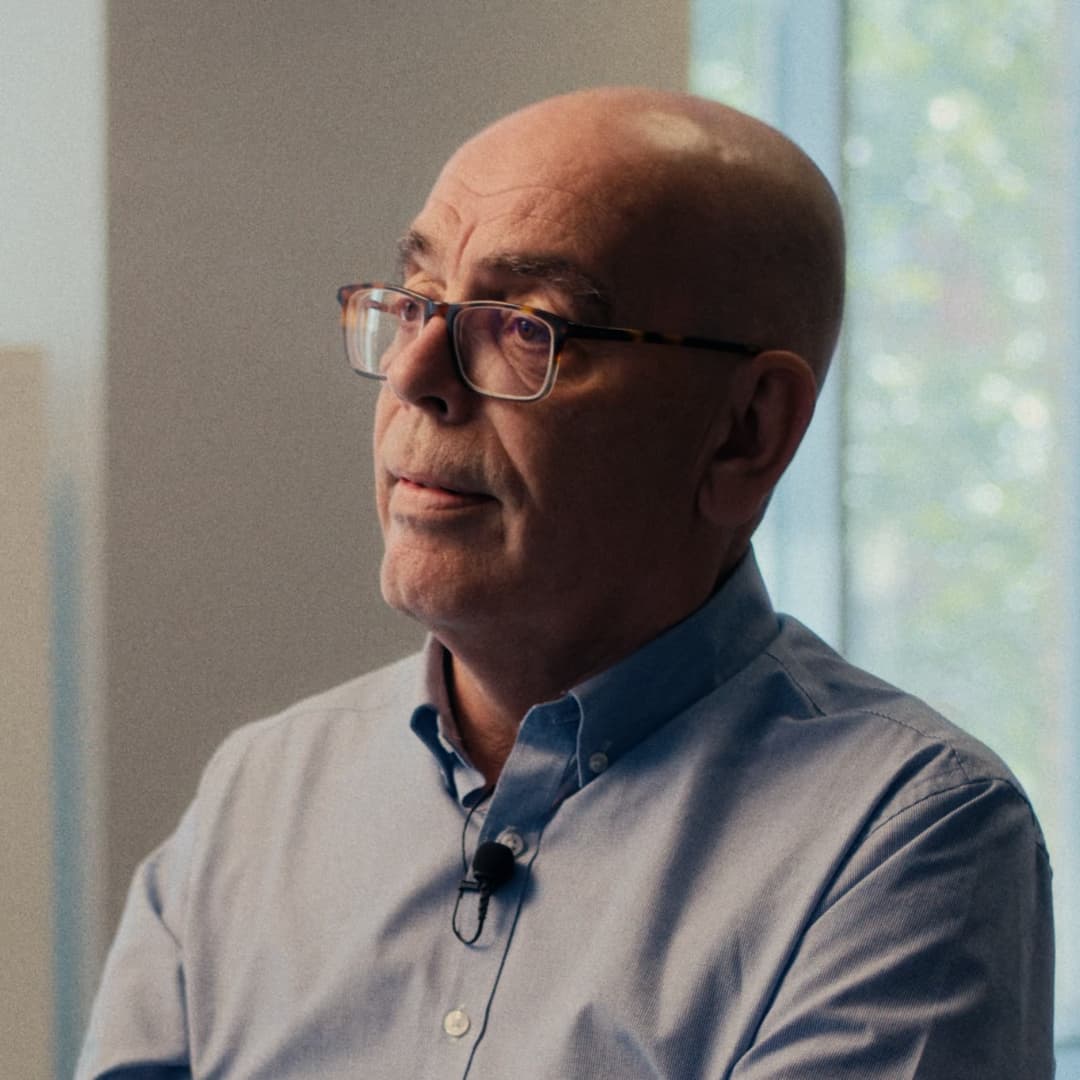
Ben Casey
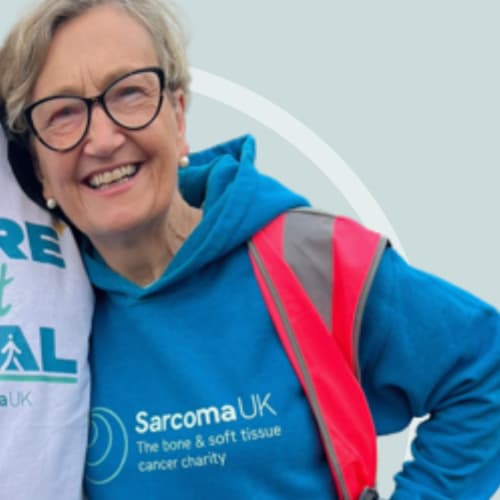
Alison Dunlop
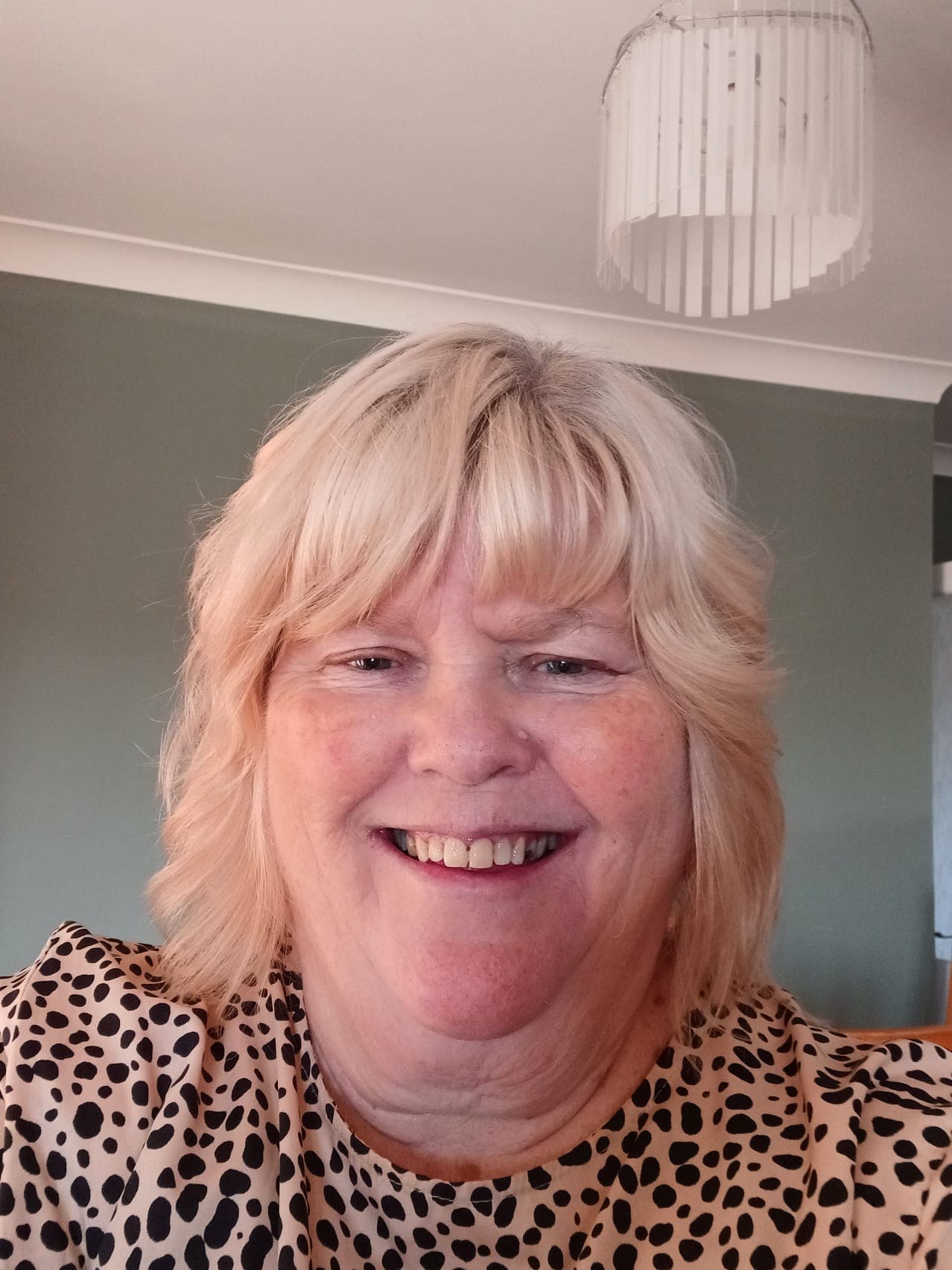
Joanne Gronow
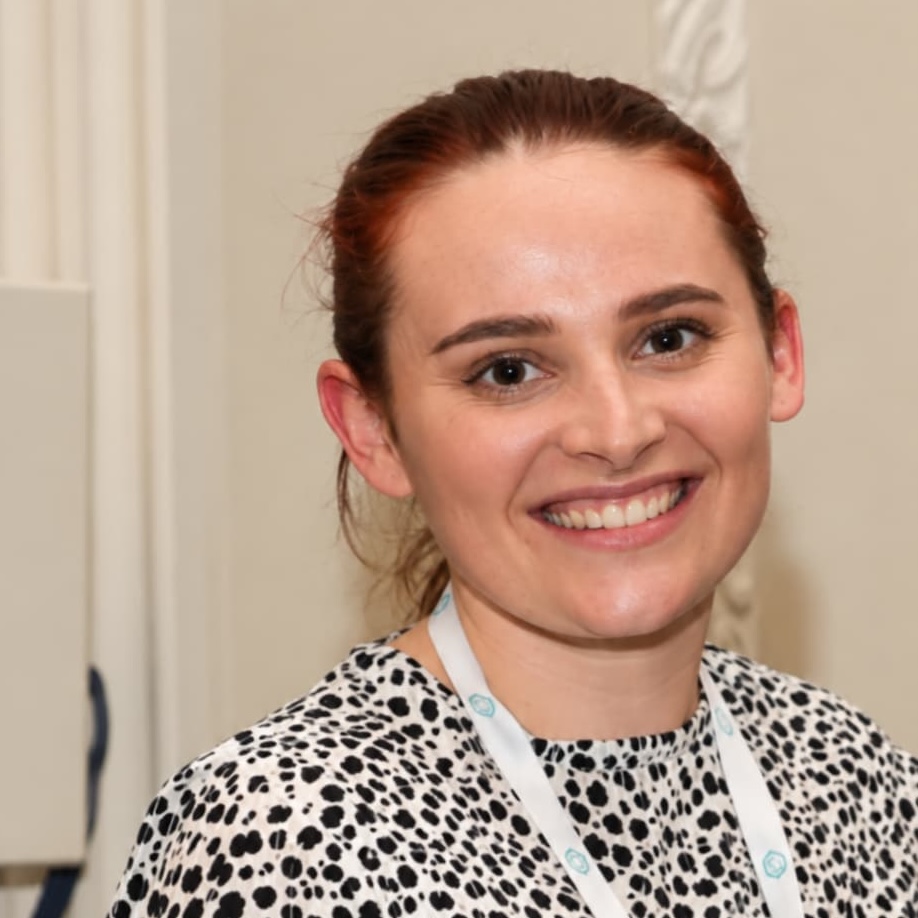
Ellis Lill
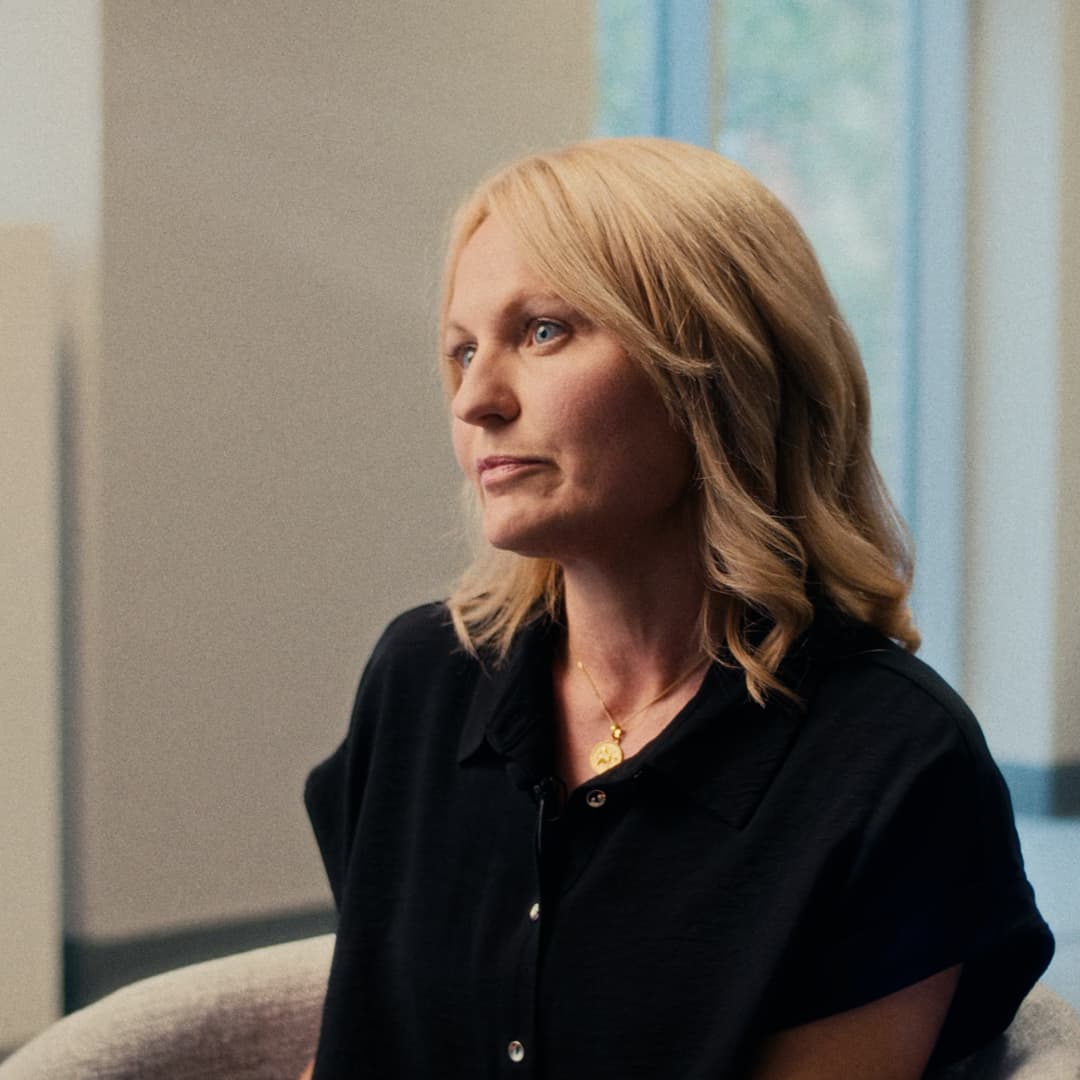
Carly McDonald
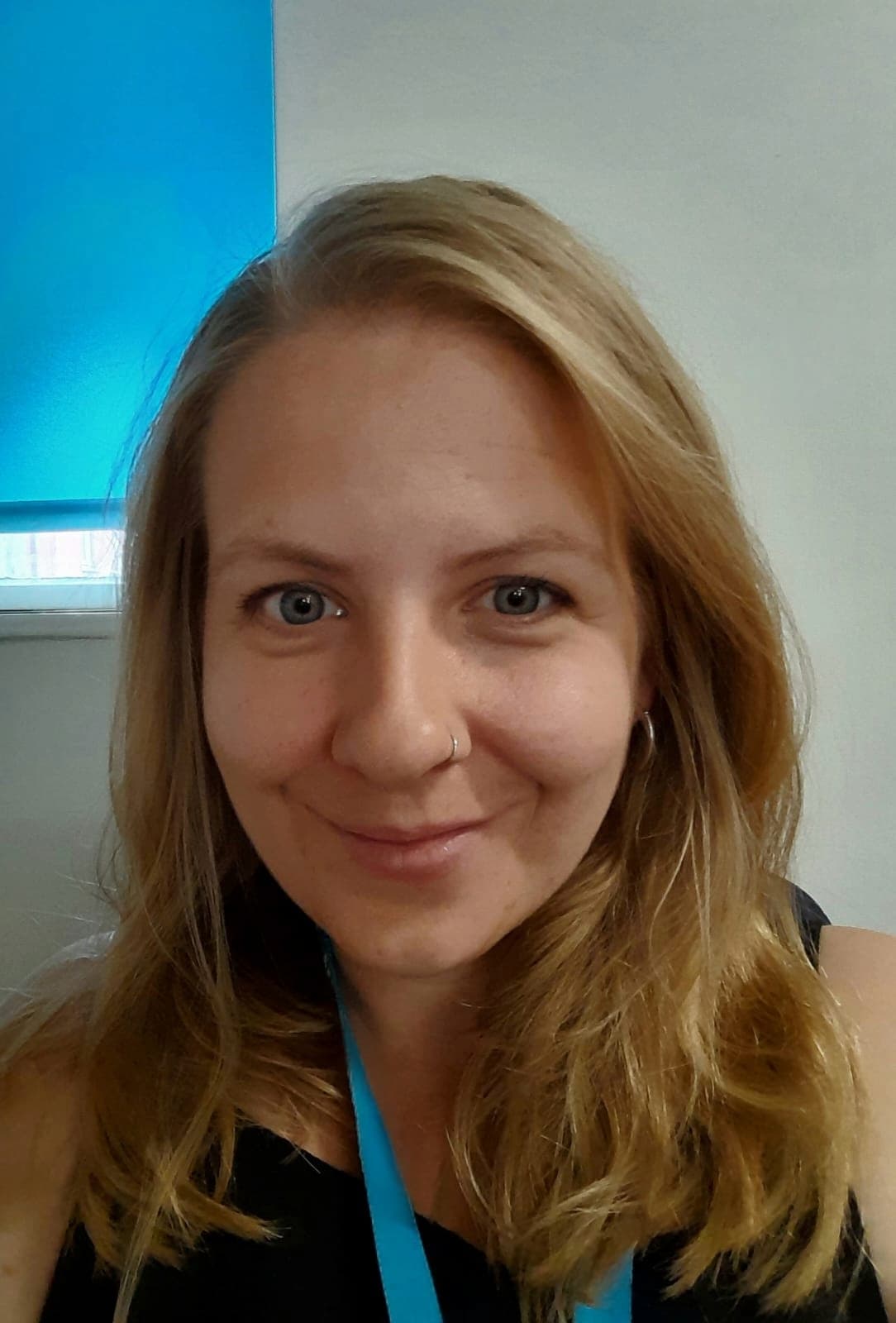
Ellie Moorse
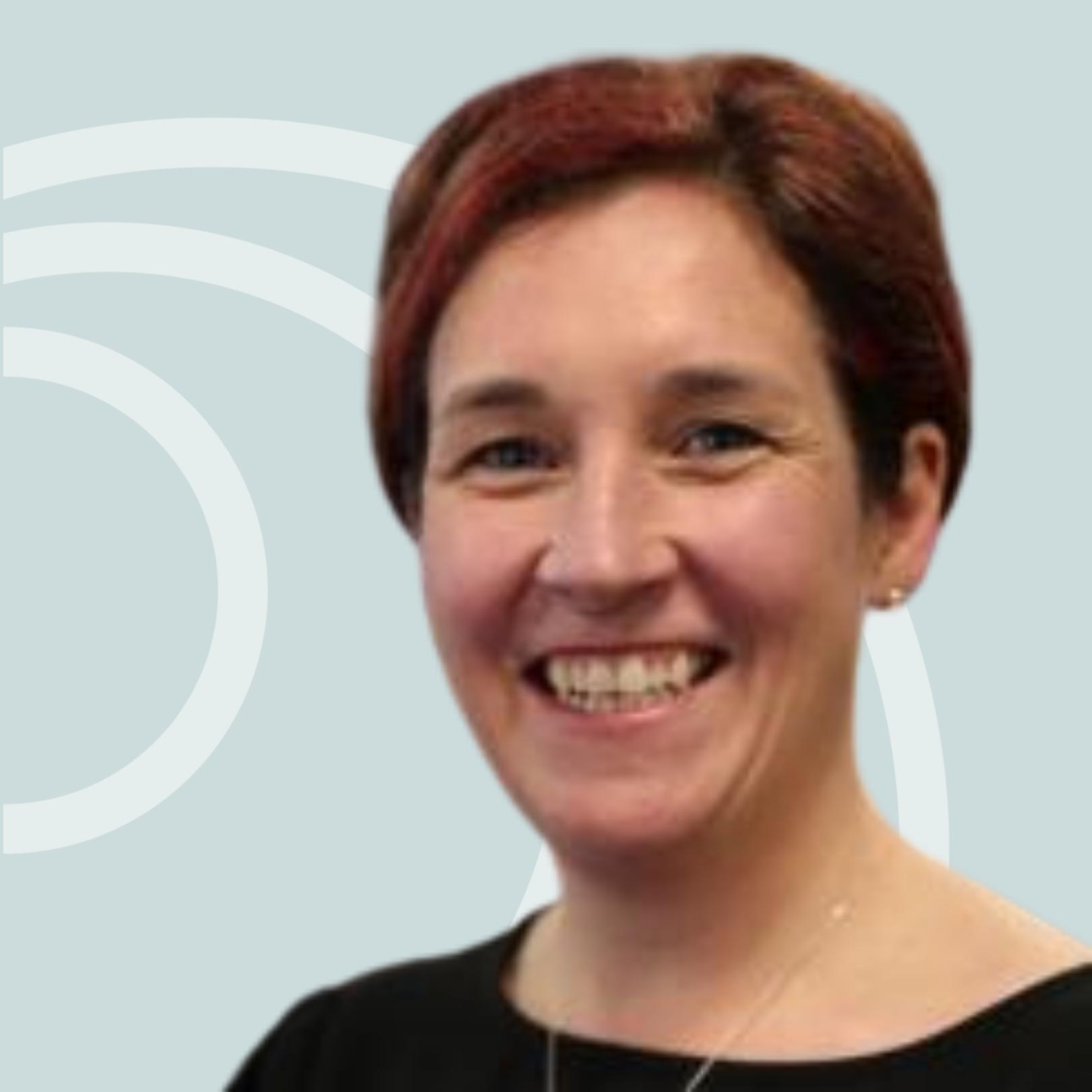
Helen Stradling
Sarcoma UK is proud that our Support Line service has been independently verified and is effectively meeting the needs of all people who need to use the service.
The Helplines Standard is a nationally recognised quality standard defining and accrediting best practice in helpline delivery.