


On this page, we have information about osteosarcoma in adults. It includes the symptoms, diagnosis, and treatment. We also have information about osteosarcoma in teenagers and young adults, and children.
What is osteosarcoma?
Osteosarcoma is a type of bone sarcoma (primary bone cancer) mostly diagnosed in teenagers and young people. It can also affect older adults.
It mostly affects the knee, thigh bone, shin bone, or upper arm. Osteosarcoma is the most common type of bone sarcoma.
Symptoms of osteosarcoma
The symptoms of osteosarcoma depend on the size and location of the tumour.
Symptoms can include:
- bone pain, particularly occurring at night
- a mass or swelling
- difficulty moving a joint.
Symptoms can sometimes be mistaken for more common problems, such as a sports injuries.
If you have ongoing bone pain, or swelling that does not improve, contact your GP.
Diagnosing osteosarcoma
Your GP will examine you and may refer you on for tests. You may have one or more of these tests:
- X-ray – uses X-radiation to take images of dense tissues inside the body, such as bones or tumours.
- MRI scan – uses magnets to create an image of the tissues of the body.
- CT scan – takes a number of X-rays to make a 3D image of an affected area.
- Bone scan – shows up changes or abnormalities in the bones. A small amount of radioactive material is injected into your veins before having this scan.
We have more information about the different scans and tests you might have.
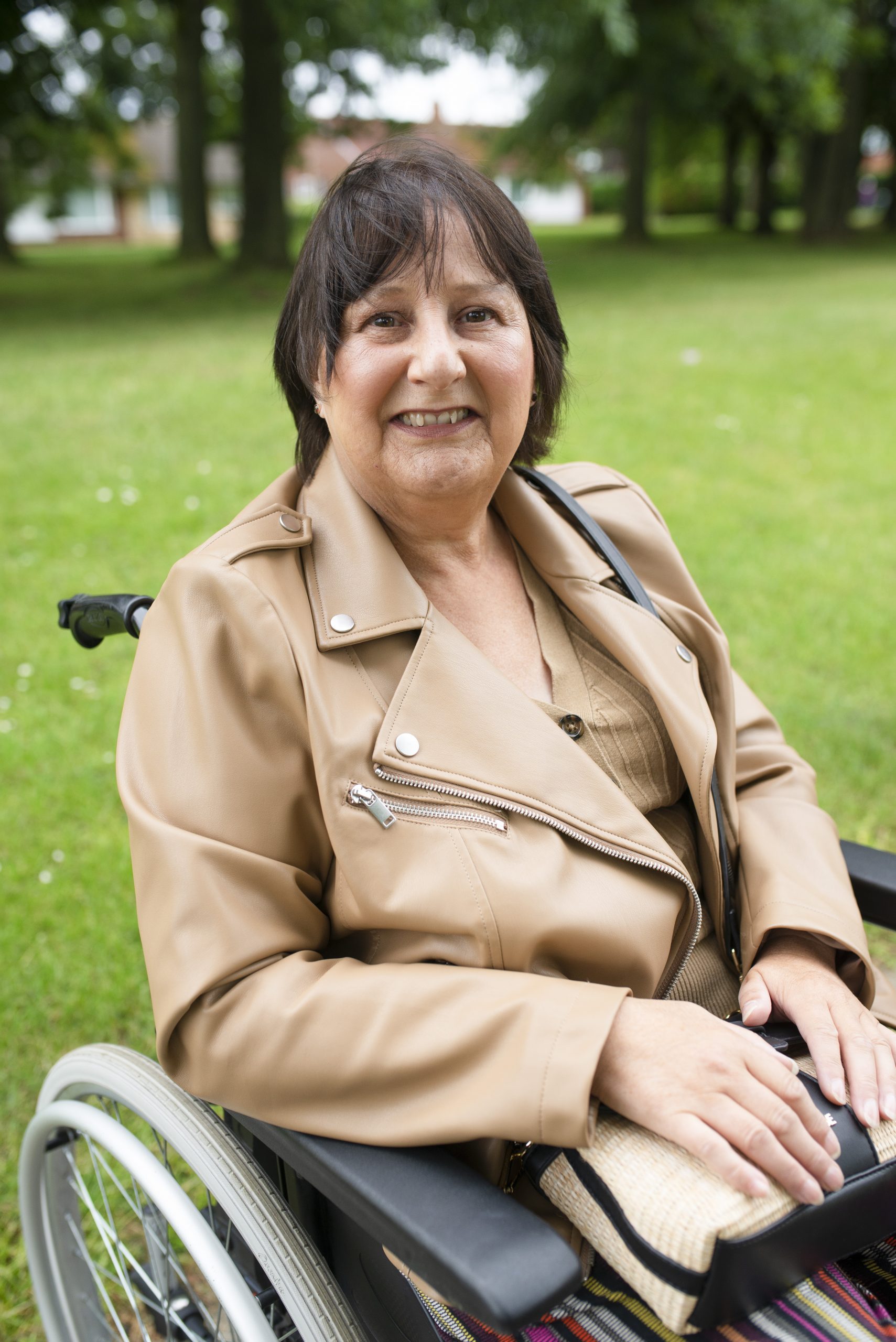
After not knowing who to turn to once home, I quickly found Sarcoma and Bone Cancer Charities who gave me confidence and a friendly voice on the phone anytime.
Janet, who was diagnosed with osteosarcoma
Treating osteosarcoma
Surgery in the limbs
If you have osteosarcoma in your arms or legs, your surgeon will try to save the limb. This is called limb-sparing surgery.
During limb-sparing surgery, your surgeon will remove the tumour and take out an area of healthy tissue surrounding it. This is known as taking a margin. You might then have some of the bone replaced with a bone graft, which uses bone from another part of the body.
It’s not always possible to have limb-sparing surgery. If your osteosarcoma has spread to nerves and blood vessels, you may need to have the limb partly or fully amputated.
Your team will explain what this involves and support you.
Surgery in the pelvis
You may have chemotherapy before surgery if your osteosarcoma is in the pelvis. This is because tumours in the pelvis can be hard to remove.
You may also have radiotherapy after surgery to kill any remaining cancer cells.
Pelvic bones can sometimes be reconstructed after surgery, either by a bone graft or using a prosthesis. Your doctor will explain the type of surgery you will need for your osteosarcoma.
Surgery in the jaw
For a tumour in the lower jawbone, the entire lower half of the jaw may be removed. This may be reconstructed using bones from other parts of the body. You may have radiotherapy if your surgeon cannot remove the whole tumour.
Surgery in the spine
If your tumour is in the spine or the skull, it may not be possible to remove the whole tumour safely. Osteosarcoma in the spine may require a combination of treatments such as chemotherapy, surgery, and radiation.
Chemotherapy
Chemotherapy uses anti-cancer drugs to destroy cancer cells. You can have chemotherapy before surgery to reduce the size of the tumour. This helps the surgeon to more easily operate
Chemotherapy can be useful to treat large tumours and can prevent the need to have the limb either partly or fully amputated.
You can also have chemotherapy after surgery. In this case, the aim is to kill any remaining local cancer cells around the area of the tumour.
Radiotherapy
Radiotherapy uses high-energy radiation beams to destroy cancer cells. Radiotherapy is not usually effective for treating osteosarcoma. However, you might have radiotherapy after surgery if there’s a risk that cancer has spread to the surrounding soft tissue.
After treatment
After treatment for osteosarcoma, you may benefit from rehabilitation services, such as:
- occupational therapy
- physiotherapy
- dietitians
- orthotics
- prosthetics.
Rehabilitation usually starts after treatment. However, with bone sarcoma, you may find that it helps to start rehabilitation earlier. This is sometimes called prehabilitation.
You may need to ask your team for a referral to rehabilitation services.
Follow-up care
You will have regular follow-up appointments for several years. Your clinical nurse specialist or key worker will tell you how often you need to have appointments.
Follow-up care includes:
- discussing any symptoms
- checking the area where the tumour was, usually with scans like MRI or X-ray
- checking your lungs with a chest X-ray or CT scan, because osteosarcoma can sometimes spread to the lungs.
Recurrence
Sometimes, osteosarcoma can come back to the same part of the body. This is called a recurrence. A recurrence of cancer may appear in other parts of the body too. This is called a metastasis or secondary cancer.
In people with bone sarcoma, these secondary cancers may appear in the lungs. You will have chest X-rays during follow-up to look for secondary cancers in the lung.
Living with osteosarcoma
Living with osteosarcoma can be difficult. We have support to help you with your mental health, physical health, and we also have information about financial support. No matter what you’re worried about, we’re here to support you.
If you have any more questions about osteosarcoma, or if you need to talk to someone, our Support Line team are here for you.
More support
Call the Sarcoma UK Support Line
The Sarcoma UK Support Line is here for every person affected by sarcoma. Get in touch for friendly, expert, confidential and free advice on anything to do with sarcoma.
Support groups
There are a number of sarcoma support groups across the UK. We have more information about support groups available online and in your local area.
Order our bone sarcoma booklet
Our booklet includes more information about bone sarcoma. Order our bone sarcoma booklet on our shop, for free.
Other charities
- Bone Cancer Research Trust: The BCRT offers support for people with primary bone cancer. They have health information and support available.
- Maggie’s: Maggie’s is a charity that offers advice and support for adults and young people living with cancer.
- Penny Brohn: Penny Brohn has a lot of support for people who have just been diagnosed or are living with cancer. This includes resources, online sessions, and counselling.
- Shine Cancer Support: Shine Cancer Support is a charity connecting people with cancer experience. This is through online programmes and in-person support groups. They support people in their 20s, 30s, and 40s.
- Macmillan: Macmillan Cancer Support have a lot of information about cancer diagnosis, treatment, and after treatment.
Was this information useful?
Quality assurance
We are a PIF TICK certified charity, which means our health information is produced to the highest possible standards.
Last reviewed April 2026 | Next review due April 2029
All references are available upon request. Please email info@sarcoma.org.uk