


This information is about desmoid-type fibromatosis (DF). It includes how it’s diagnosed and treated, as well as information on living with DF.
What is DF?
DF is a rare tumour that is not cancer.
It forms in deep connective tissue in the body. It does not spread to other parts of the body. This means it is not cancer. But it can grow into nearby areas and sometimes comes back in the same place. This means it is called an intermediate tumour.
Although DF is not cancer, it is important that people with a desmoid tumour are cared for by a sarcoma specialist team. Sarcoma is a rare cancer that develops in bone or soft tissues. These specialist teams have the knowledge and experience to diagnose, monitor and treat people with desmoid tumours.
DF can affect anyone, but it most often affects adults aged 30 to 40. It is rare. Only about 5 to 6 people in every million develop DF every year. You may also hear people call it aggressive fibromatosis or a desmoid tumour.
DF and inherited conditions
A small number of people develop DF as part of an inherited condition called familial adenomatous polyposis (FAP). FAP affects the bowel and causes many small growths called polyps.
If you have FAP, your FAP specialist team will usually look after your care. They will work closely with a sarcoma specialist team to help plan your treatment and support.
If your doctor thinks you may be at risk of FAP, they will talk to you about further tests and support.
Symptoms of DF
DF can cause different symptoms for different people. Symptoms depend on where the tumour is and how large it is. DF is commonly found in the tummy, arms, or legs, but it can appear anywhere in the body.
If DF is in the tummy, you may have:
- a hard lump
- tummy pain or bloating
- constipation
- a feeling of sickness or being sick.
If DF is anywhere else, you may have:
- a hard lump
- pain or discomfort near the lump
- swelling near the lump
- stiffness or trouble moving around if the tumour is near a joint or muscle.
Diagnosing DF
You will have several tests to diagnose DF. These tests help your team confirm the diagnosis and plan the best care for you.
Many people have an ultrasound scan first. If this shows something unusual, you will usually have more detailed scans and a biopsy.
You might have:
- an MRI scan
- a CT scan
- a core needle biopsy (a small sample of tissue taken with a needle).
Treating DF
DF can behave in different ways. Some tumours stay the same size. Some get smaller without treatment. Experts do not yet know why this happens.
If your tumour stays the same or gets smaller, you may not need treatment.
Active surveillance
Doctors usually recommend active surveillance first. This means your team monitors your DF closely but does not treat it straight away. They use MRI or CT scans to watch your tumour over time.
You may also hear it called watch and wait, active monitoring, or active observation.
Most people stay on active surveillance for 1 to 2 years, but this can be shorter or longer.
- If your tumour stays the same or gets smaller, active surveillance will continue.
- If your tumour changes or causes problems, your team will discuss other treatment options with you.
Why doctors use active surveillance
It’s normal to feel worried if treatment does not start straight away. Many people feel anxious about this.
Active surveillance is recommended because:
- many DF tumours stay the same or get smaller without treatment
- some treatments cause side effects. Your team only want to use treatments if they are needed.
Your team will monitor you closely and start treatment if it’s needed.
Monitoring during active surveillance
At each appointment, your team may:
- ask about your symptoms
- look at the area where the DF tumour is
- talk about scan results.
You will usually have a scan:
- within 1 to 2 months after diagnosis
- every 3 to 6 months after that
- less often if your DF tumour stays the same or gets smaller.
Managing symptoms
You do not have to cope with symptoms on your own. Tell your team if DF is affecting your daily life. This might include pain, trouble sleeping, or finding it hard to move around.
They can help manage symptoms. This may include pain relief, physiotherapy, or other support.
Treatments for active or changing DF
Doctors may suggest treatment if DF causes symptoms, affects your quality of life, or changes quickly. Your specialist team will explain your treatment options and possible side effects. Sarcoma specialist doctors treat DF. They have the skills and experience to treat it.
Targeted therapy
Targeted therapies are tablets that block signals that help tumour cells grow. They can slow down DF or make it smaller in some people.
Examples include:
- Tyrosine kinase inhibitors (TKIs): sorafenib, imatinib.
- Other targeted medicines: nirogacestat (a gamma-secretase inhibitor).
These medicines are not currently available on the NHS for DF. They often need special funding. However, some people receive them as part of a clinical trial. Your specialist team can explain whether these treatments are available and suitable for you.
Chemotherapy
Chemotherapy is a treatment that uses medicines to slow the growth of DF tumour cells. It can reduce symptoms such as pain. In some people, the tumour stops changing or becomes smaller.
Doctors usually suggest chemotherapy if the tumour changes quickly or if other treatments are not suitable.
Cryoablation
Cryoablation uses extreme cold to freeze the tumour. A doctor places a thin needle through the skin into the tumour.
You may have cryoablation if the tumour is easy to reach and is unlikely to injure any other parts of the body.
Radiotherapy
Radiotherapy uses high-energy radiation beams. It may reduce symptoms and sometimes shrink the tumour.
It can cause long-term side effects, so your doctor will consider the benefits and risks.
Isolated limb perfusion (ILP)
ILP may be used for DF in an arm or leg. Doctors give chemotherapy directly into the limb, so it targets only the affected tissue.
In the UK, ILP is only carried out at the Royal Marsden Hospital in London. Your team can refer you if it may be suitable.
Anti-inflammatory medicines
Doctors may sometimes suggest medicines called non-steroidal anti-inflammatory drugs (NSAIDs). These are a type of painkiller, commonly used to help reduce pain, swelling, and inflammation. They may be used to help manage symptoms of DF.
If NSAIDs are recommended, your doctor will explain how to take them safely and possible side effects.
Hormone treatment
In the past, some people were treated with hormone therapies such as tamoxifen. Doctors do not usually use these medicines to treat DF anymore. They will discuss the most suitable treatments for you.
Surgery
In some cases, surgery may be used to remove the DF tumour. This depends on where the tumour is, whether it is causing problems, and how it is affecting you.
People with an inherited condition called familial adenomatous polyposis (FAP) are more likely to need surgery for DF, especially if the tumour is causing problems in the tummy. Your healthcare team will explain if this applies to you.
Research has shown that surgery does not always stop DF from coming back. In some people, DF can grow again after surgery. Because of this, experts around the world recommend not using surgery as the first treatment for most people with DF.
Surgery can also affect how part of your body works or how it looks. If surgery is needed, your surgeon will aim to remove the tumour while protecting nearby healthy tissue as much as possible.
Because of this, doctors do not usually offer surgery straight away. They often recommend active surveillance first. Surgery is usually only considered if the tumour is causing serious problems or other treatments have not helped.
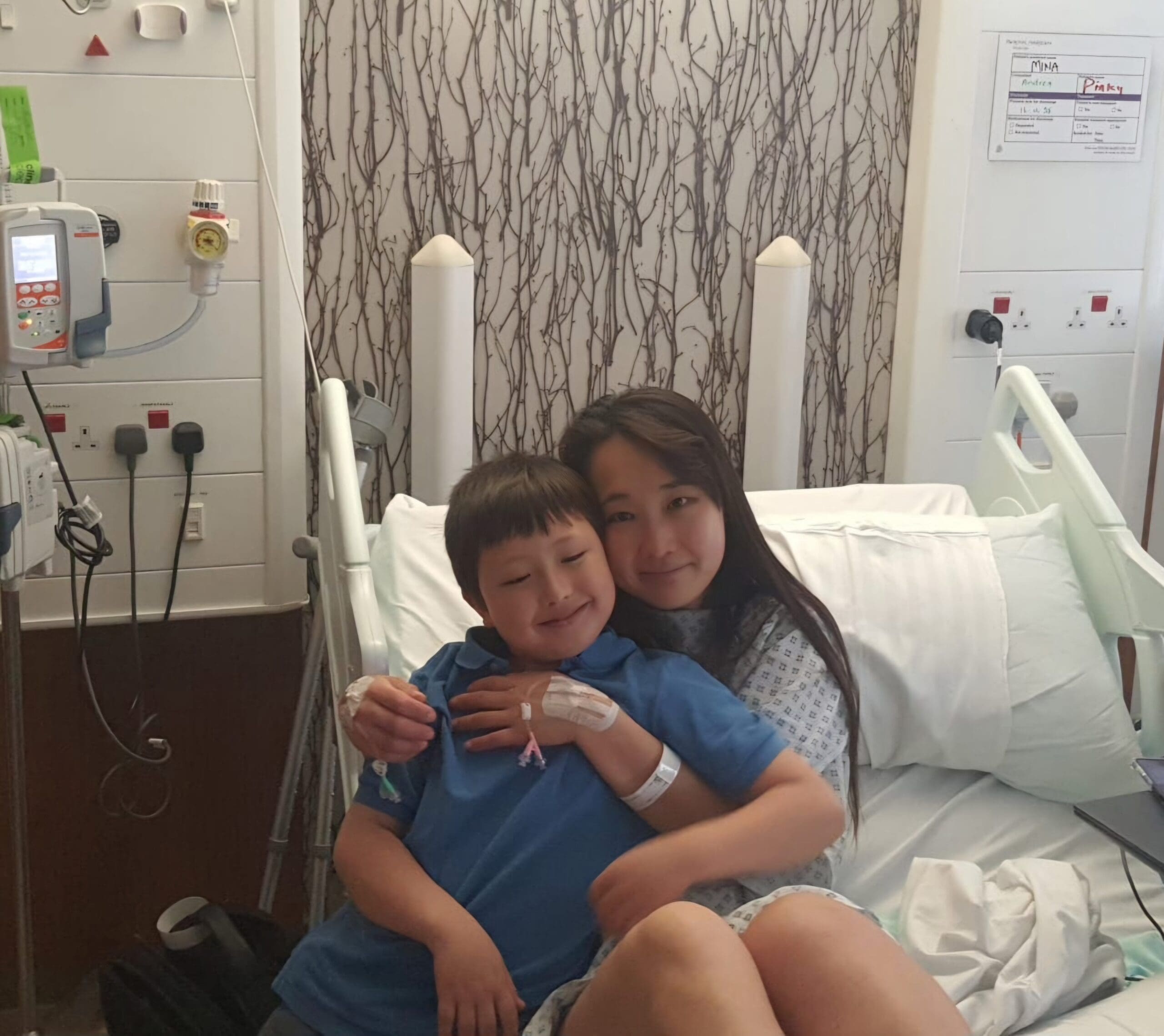
DF may not be predictable, but you don’t have to face it unprepared — with the right team and the right information, you can find a way to live well alongside it.
Mina, who was diagnosed with DF in her thigh.
Ongoing care and follow-up
Your team will arrange follow-up appointments to:
- check how you are feeling
- answer any questions you have
- see how the tumour is changing over time
- support you with any symptoms or side effects.
Some people with DF do not have treatment straight away and stay on active surveillance. Follow-up appointments are still an important part of your care.
If your symptoms get worse
At your follow-up appointments, your team will ask how DF is affecting your daily life. They may ask about:
- pain
- how well you can move
- how you are sleeping
- how you are coping with everyday activities.
They will also look at your scan results. The size of the tumour and how it is changing are important. But the main reason to start treatment is often because the tumour is causing symptoms or affecting your quality of life.
Over time, DF may:
- stay the same
- become smaller
- grow
- cause more symptoms
- cause fewer symptoms
- come back in the same area after treatment.
Doctors may say the tumour has progressed if it grows or causes more symptoms. If it comes back after treatment, they may call this a local recurrence. DF does not spread to other parts of the body.
It is normal to feel worried if your symptoms change or the tumour comes back. If you notice new symptoms or are concerned, contact your specialist team. They can explain what is happening and talk to you about whether treatment is needed.
Living with DF
Living with DF is different for everyone. Many people live with it as a long-term condition.
There may be times when DF is stable and easier to manage, and times when symptoms increase or you need treatment. Some people have ongoing symptoms such as pain, stiffness, or tiredness. Others feel worried before scans or appointments.
Support is available for both physical and emotional effects.
Your team may involve:
- physiotherapists, to support movement and strength
- pain or symptom control teams, to help manage discomfort
- psychologists, counsellors or other mental health professionals, to support emotional wellbeing
- social workers, to help with practical or financial concerns.
Your clinical nurse specialist or key worker can help you access this support.
You can also contact the Sarcoma UK Support Line for information and emotional support.
Help shape a DF support group
We’ve heard from people affected by DF that a dedicated support group could be helpful. We’re now working with the DF community to explore setting up a virtual support group.
If you have been affected by a DF, whether you’re a patient, family member, friend, carer or supporter, we’d love to hear your views.
Complete our short survey to share what you would find useful from a support group and help us shape how it could work.
Complete the DF support group survey
If you would be interested in helping to guide the group, you can also leave your name and email address at the end of the survey.
More support
Call the Sarcoma UK Support Line
The Sarcoma UK Support Line has specialists with expertise in DF. Get in touch for friendly, expert, confidential and free advice on anything to do with DF.
Support groups
There are a number of sarcoma support groups across the UK. We have more information about support groups available online and in your local area.
Order our desmoid-type fibromatosis booklet
Our booklet includes more information about DF. Order our DF information booklet from our shop, for free.
DF specific support
- Desmoid Aid UK: A non-profit charity that offers factual information about DF tumours and small one-off grants to help with unexpected costs.
- The British Pain Society: An organisation that supports people living with pain. It provides information about pain management and works to improve pain care.
- NHS pain support: Offers help for people living with long-term pain. This includes advice, pain management services, and support through NHS clinics and online resources.
- Desmoid United UK: A UK support page on Facebook for anyone affected by DF. This is a closed group where people can share their stories and offer and receive support. To join, search for “Desmoid United UK” in the Facebook search bar.
- Polyposis Patient: An online UK support group for people affected by polyposis syndromes, including FAP. It shares information, offers support, and connects people affected by these rare conditions.
Was this information useful?
Quality assurance
We are a PIF TICK certified charity, which means our health information is produced to the highest possible standards.
Last reviewed July 2026 | Next review due July 2029
All references are available upon request. Please email info@sarcoma.org.uk